

Why high-quality instructional materials are only the beginning of effective literacy instruction
Written by: Dr. emily taubken
Our last blog introduced Jordan who combined deep literacy content knowledge with ongoing instructional coaching to help her students leave kindergarten reading on grade level by making the instructional decisions that no curriculum, no matter how well designed, can make on its own.
Every great teacher deserves strong instructional materials. While her curriculum defines where she is heading, Jordan is the expert in the driver’s seat ensuring every student can get there. Jordan's success doesn't come from simply following the provided structures in her curriculum. It comes from knowing when—and how—to work within and beyond them.
Even with a strong curriculum, Jordan relies on her literacy expertise and the coherent instructional systems in her school in order to actualize a well-designed curriculum into responsive, high quality classroom instruction, driving strong literacy outcomes for her students.
High-Quality Curriculum Still Requires Great Teaching
What happens when an excellent curriculum meets the realities of actual students in real classrooms in our city?
High quality instructional materials matter. They provide coherence, research-aligned instructional routines, and a strong foundation for classroom instruction. Schools should absolutely invest in HQIM. It’s our first line of defense for strong Tier 1 instruction.
But no curriculum can fully anticipate the diversity of learners in today's classrooms. Every lesson requires teachers to answer questions the curriculum cannot answer. Are students ready to move on? Has automaticity developed enough to support connected text? Which students need another opportunity to practice? Is today's Tier 2 lesson reinforcing or competing with core instruction? These teacher-led decisions determine whether curriculum materials become effective instruction with demonstrated impact. This is where teacher expertise really matters. Curriculum tells teachers what to teach. Teachers determine how students will learn it.
Let's take a look into veteran teacher Maura Mitchell's first grade classroom. During one coaching conversation, Maura shared how many of her students were consistently not automatic enough when they reached the decodable readers.
Rather than replacing the lesson or abandoning the curriculum, she made one focused adjustment. Before students opened the decodable reader, they practiced words, then phrases, then sentences built around the target pattern. With her literacy coach’s support, she adjusted her daily instructional routine by adding spiral review and built fluency before asking students to apply the skill in the decodable reader.
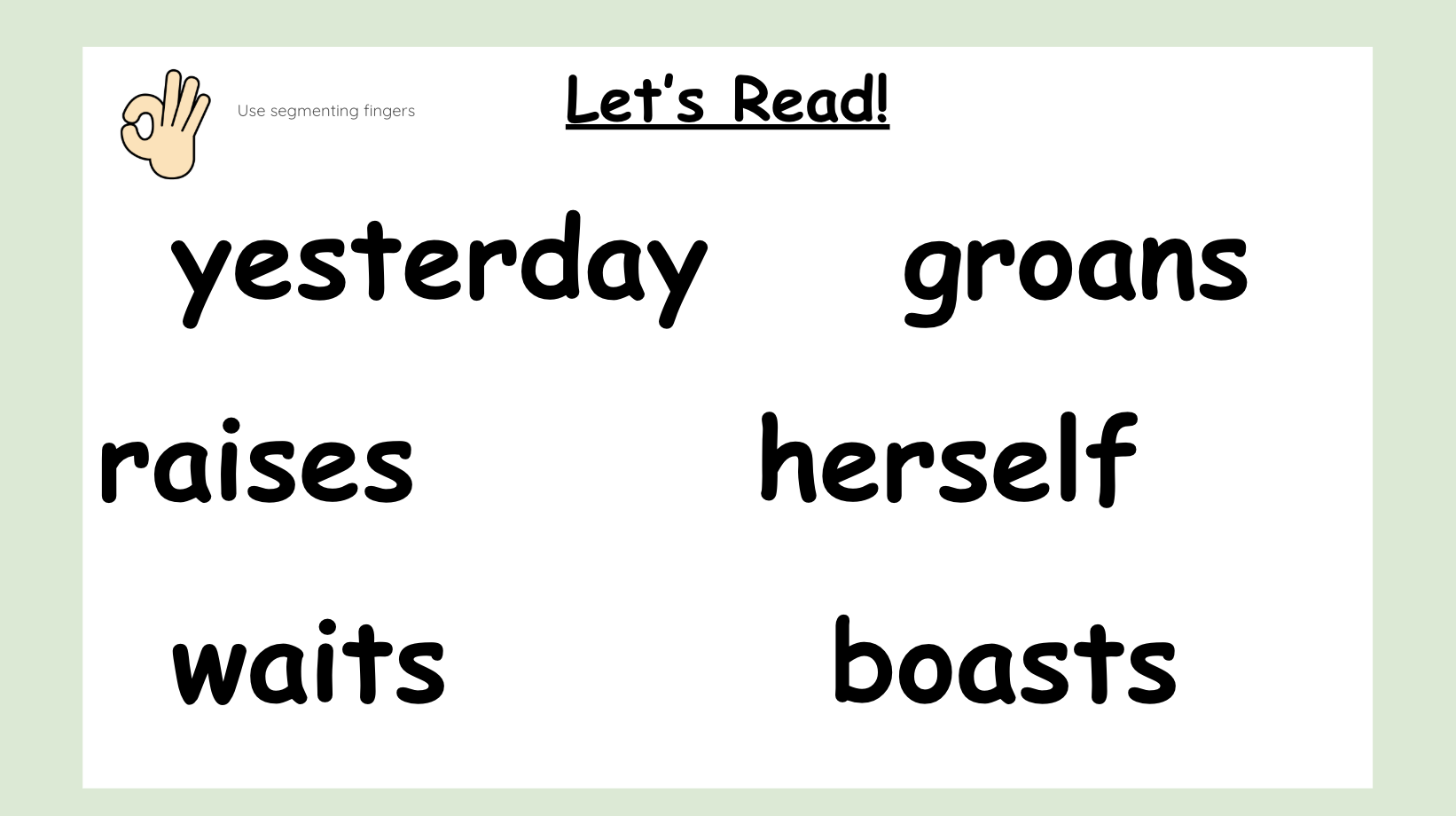
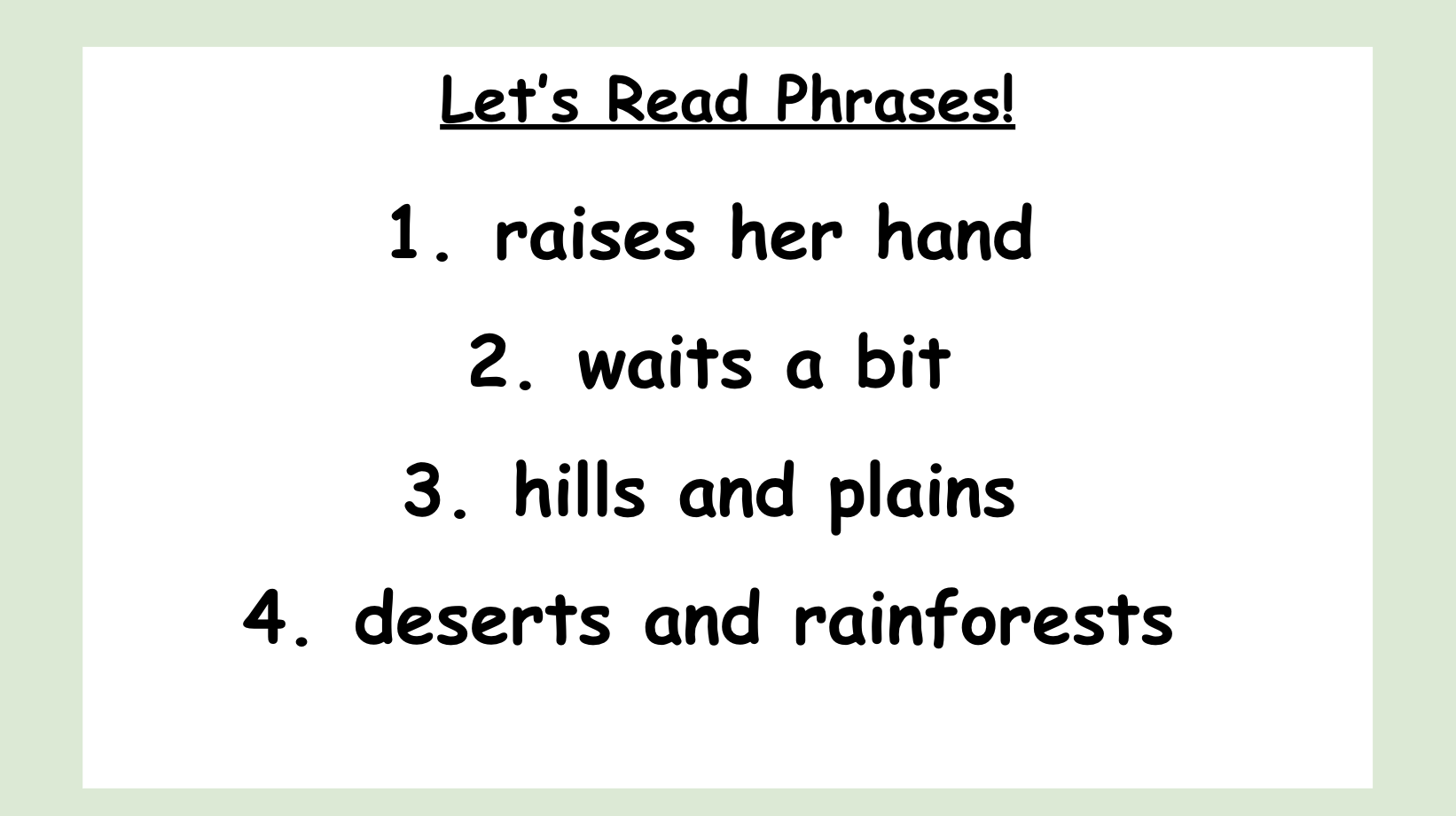
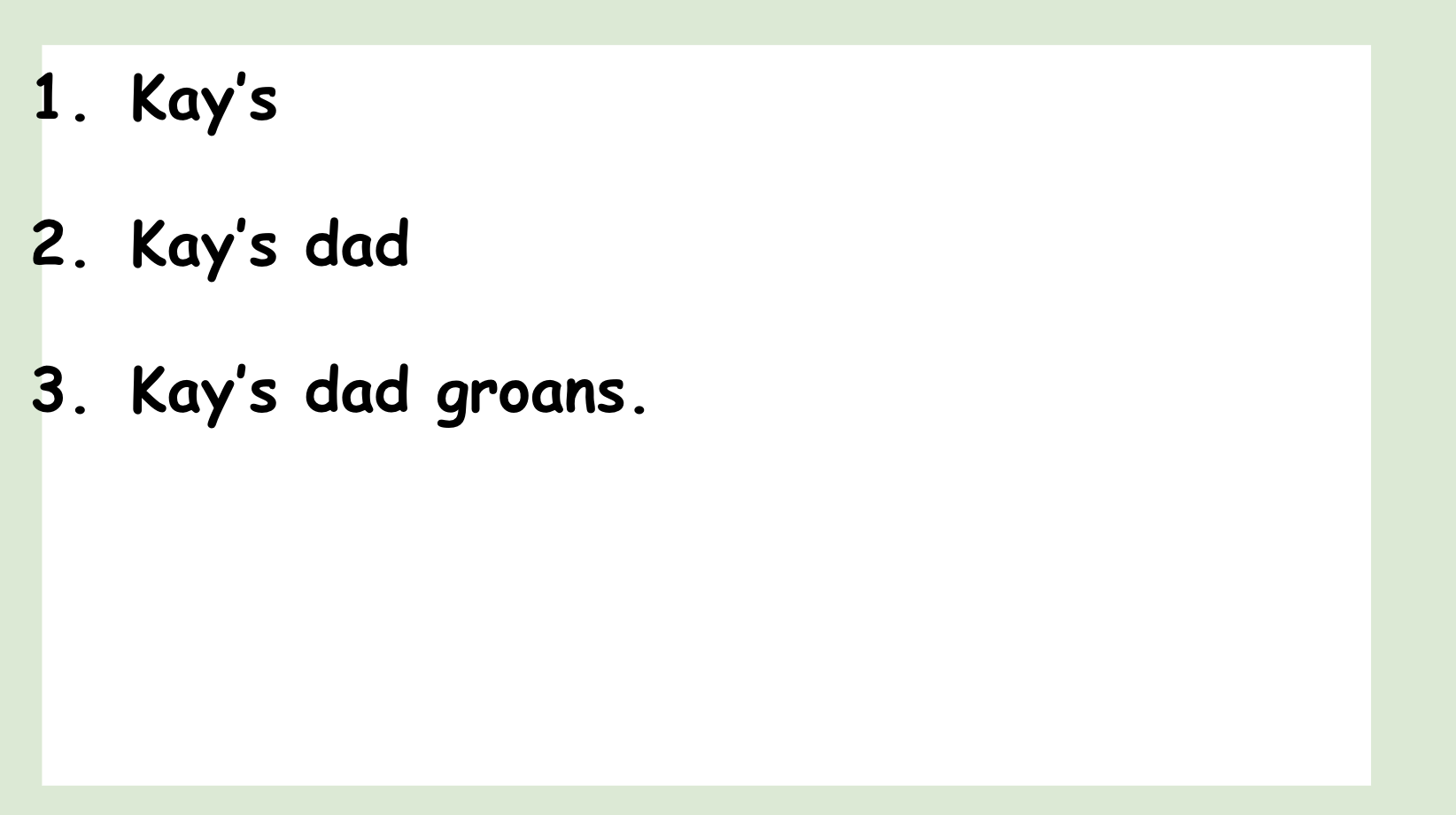
The words and phrases were selected for this routine from the decodable reader provided within the provided HQIM resources.
No single routine can change student outcomes, but consistent implementation of evidence-based practice -- over time -- will do just that.
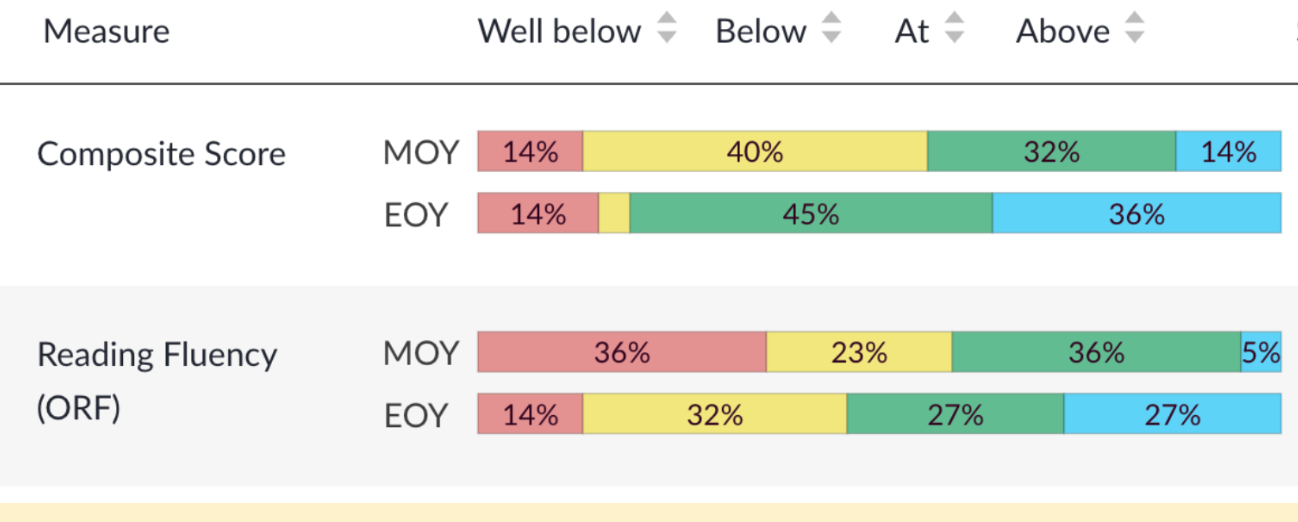
This adjustment accounted for less than 5 minutes of instructional time using only pre-existing curricular resources. The curriculum stayed the same; the opportunities for students to practice changed drastically. And students’ oral reading fluency improved.
Curricular Choices Across a System: Coherence Across the School is as Important as Curriculum Quality
Do the fullness of students’ literacy experiences work together or compete against each other?
Teacher expertise is essential, but it is only one part of a student's literacy experience. Curriculum doesn't exist in isolation. Students experience literacy instruction across multiple spaces, including: Tier 1, Tier 2, Tier 3, SPED, ESL, in-school and after-school tutoring, among others.
These systems should reinforce one another, but often they don't. One of the most common challenges is not poor curriculum selection (though this certainly can happen). It’s that there are competing curriculums within the limited time and structures of a school day.
Classroom teachers are teaching one sequence. Interventionists are teaching another. Tutors are using something different altogether.
Everyone is working incredibly hard. Everyone has good intentions and brings expertise to the table. But, students experience literacy as disconnected pieces instead of one coherent instructional experience.
Ultimately, literacy improvement is often a question of how schools use instructional time. Every unnecessary transition, every misaligned intervention block, every missed opportunity to reinforce a skill is time students cannot get back. The strongest schools are intentional about making every minute, and student learning experience count towards one aligned goal for their specific community of learners.
Conclusion
The state of Tennessee and local education agencies in Memphis have made tremendous progress in improving access to high-quality instructional materials. That matters, and we should celebrate it.
But curriculum adoption was never intended to be where the work stops.
Every day, teachers across Memphis make hundreds of instructional decisions that no curriculum can make for them. Those decisions—grounded in literacy expertise, informed by student data, and supported by coherent school systems—are what ultimately transform strong materials into strong outcomes and real lived experiences of students in classrooms.
Curriculum matters. Teacher expertise matters. Ongoing systems of support matter. In order to accelerate progress in literacy, we have to recognize that these three are inseparable.
What Can You Do This Year to Accelerate Progress in Literacy?
If you are a classroom teacher: Find ways to develop your literacy content knowledge so that you can leverage data-based instructional decisions within your high quality instructional materials (HQIM).
If you are a district leader: Adopt high-quality instructional materials and create coherent literacy systems across Tier 1, Tier 2, and Tier 3. Implementation of HQIM is as important as the selection itself.
If you are a school leader: Protect instructional time and build structures that help teachers use student data to make responsive adjustments within provided HQIM. Leverage curriculum based professional learning and aligned literacy coaching systems.
If you are a policymaker: Acknowledging that curriculum quality alone is insufficient to accelerate student outcomes, investments should support both strong instructional materials and the conditions that allow teachers to use them effectively with support.
If you are in the literacy field: We’ve made a lot of progress asking "Which curriculum?" That was the right first step, and excellent resources continue to emerge to fill gaps in the field. Now, we need to spend more time on implementation research asking, "How do we help teachers maximize the impact of the high quality curriculum they have?"
