

Are We Building the Sustained Conditions for Every Child to Learn to Read?
How implementing equitable systems early can accelerate literacy outcomes for students
Written by: Dr. emily taubken
We often measure literacy success by third-grade reading proficiency, but by that point too many students have already fallen behind. Strong literacy outcomes require excellent teaching; and excellent teaching depends on school systems that consistently enable effective instruction and student learning.
School leaders can help create these conditions. Equitable literacy systems ensure every student has access to high-quality instruction, timely intervention, and support matched to their individual needs. Through strong Multi-Tiered Systems of Support (MTSS) and comprehensive assessment and data systems, school leaders can create the conditions for sustainable improvement and lasting literacy success. When these systems are aligned and robust, they create the conditions for sustainable improvement and lasting impact on student literacy outcomes.
The Opportunity of First Grade: Do our school systems allow us to make the most of it?
We spend a lot of time talking about third-grade literacy (and I suspect we all agree it's an incredibly important marker). But to predict and improve students' reading success by third grade and beyond, we need to look earlier with greater focus and urgency. That requires data systems that provide early visibility into student progress and responsive tiered instructional systems that ensure students receive the support they need before their reading proficiency is at risk.
First grade represents one of the most important windows of opportunity in a student's literacy journey. With enough time and consistent support, focusing on first grade can change reading outcomes for years to come. Students who reach grade level benchmarks in first grade are less likely to require intensive intervention later, making early action one of the most effective investments schools can make.
The cost of waiting to provide systematic intervention is too high. In most cases, delays are not intentional. They happen because educators need systems that support timely, informed decisions about when students need additional support and what that support should be. Sustained reading growth isn't the result of a single intervention, but of educators continually using data to ensure students receive the right support, at the right intensity, at the right time.
Jose’s Story: When first grade gains stick
What does this look like in a student's experience? Jose was a first-grade student at Compass Community Schools. His middle-of-year (December) literacy assessment showed he was “well below benchmark” in foundational literacy skills. Using strong assessment tools, robust data systems, and a collaborative improvement process, the Literacy Leadership Team—including school and network leaders, literacy coaches, and teachers—recognized that Jose needed more intensive and frequent literacy support.
Following these results, Jose and other students scoring "Below" or "Well Below" benchmark received a "double dose" of instruction. He:
Continued participating in strong Tier 1 classroom instruction, supported by a literacy coach providing parallel teaching (allowing for strategic support within the Tier 1 context)
Received additional daily intervention through a specialized scope and sequence in his intervention block
This move increased the intensity of evidence-based instruction without sacrificing access to grade-level literacy instruction. Jose demonstrated significant growth in critical foundational skills that support later reading success:
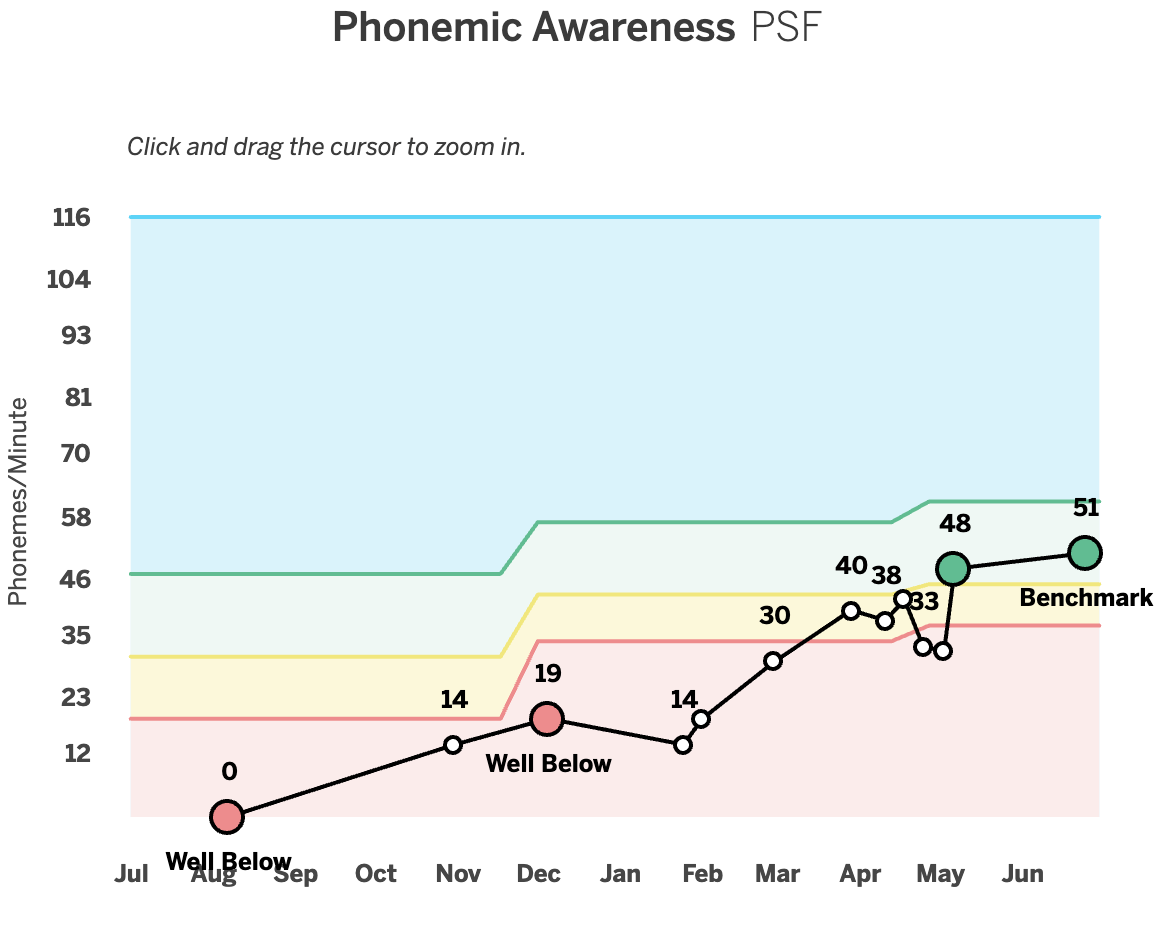
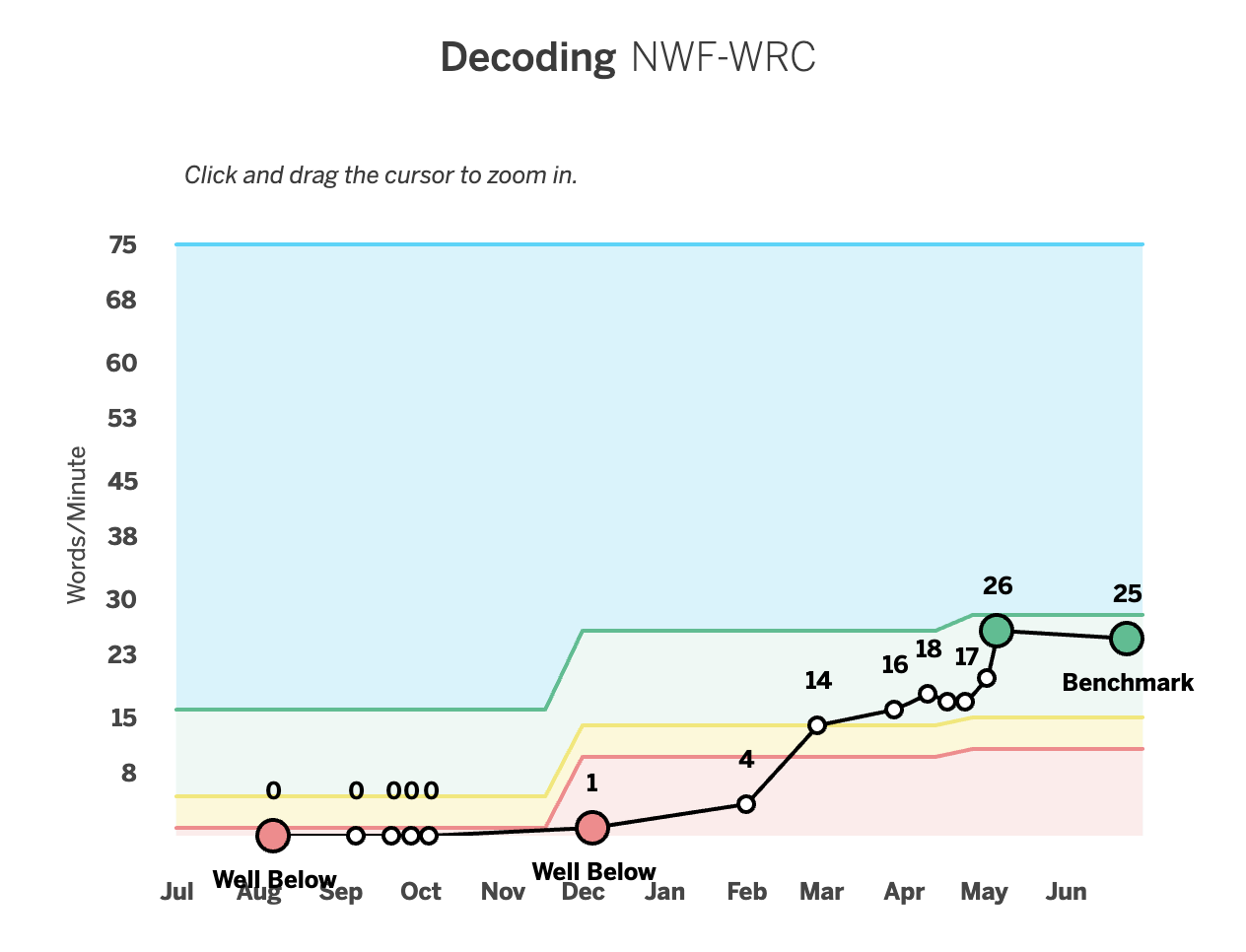
By the end of first grade, Jose had moved from "Below Benchmark" to "Benchmark" overall. Even more encouraging, those gains were sustained throughout second grade.
Grade 2
Grade 1
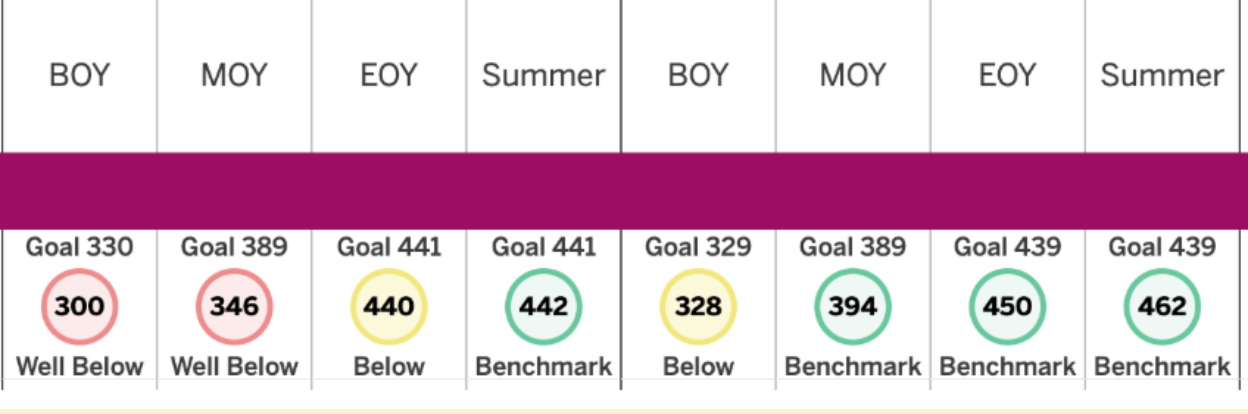
One of our team's biggest takeaways, however, was that his progress could have been even greater had intervention begun earlier in first grade.
Jose's results are not magic. They are the result of strong assessment, data, and MTSS systems that enabled educators to make consistent, iterative, and well-informed decisions so that Jose received the right intervention, at the right dose, at the right time in his learning journey. Every student deserves a system that makes this kind of timely and effective response possible.
Call to Action: What can I do next?
For School Leaders:
Ask: Can your assessment system identify at risk readers within the first month of school? Determine if your students are able to receive targeted intervention by September based on these results. For Kindergarten, determine if identified students are able to receive intervention by October.
If your Kindergarten is stable, focus your implementation efforts on first grade. Ensuring first grade intervention is effective, on time, and targeted will give your students the opportunity to sustain reading growth over time as they progress through other grade levels.
If you’re looking for PD support targeted specifically for leaders, check out these sessions at the upcoming Memphis Literacy Conference:
For Teachers:
Ask: Am I using reliable assessment data to adjust the intensity, grouping, and/or pacing of instruction effectively? (If available to you, leverage your literacy coach here for support!)
If you are interested in honing your practice in tiered instruction, check out these sessions at the upcoming Memphis Literacy Conference:
“The Impact of Cognitive Load On Instructional Design” by Dr. Jamey Peavler
“Implementing Targeted Small-Group Instruction” by Dr. Jamey Peavler
“The Power of Early Intervention, Implementing the Science of Reading in Preschool” by Keshia Megie-Thompson
“Fluency: More Than Just Reading Fast” by The Literacy Architects
For Policy Makers:
Tennessee has built a strong policy foundation for improving literacy. Continue to invest in the efforts that allow for effective implementation of early intervention:
Ensure funding and staffing models allow schools to provide timely, evidence-based intervention in kindergarten and first grade.
Support legislative action that incentivizes early prevention of reading risk versus remediation.
Increase legislative attention on literacy coaching as a key lever to support MTSS implementation, consistent data-based decision making, and effective implementation of early intervention in literacy.
